
Is Warehouse Automation Right for Your Business?
A practical guide for New Zealand operations and warehouse managers weighing up their options.
Warehouse automation once meant a substantial capital investment, a long implementation period and major changes to the building. Today, the options range from warehouse management software and semi-automated pallet shuttles through to conveyors and fully automated storage and retrieval systems.
That makes automation accessible to a wider range of businesses, but it does not make it the right answer for every warehouse.
The most useful question is: which operational constraint are you trying to remove, and will the improvement justify the full cost of the project?
Signs It May Be Time to Consider Automation
A few patterns tend to appear in warehouses that are ready for a serious automation assessment:
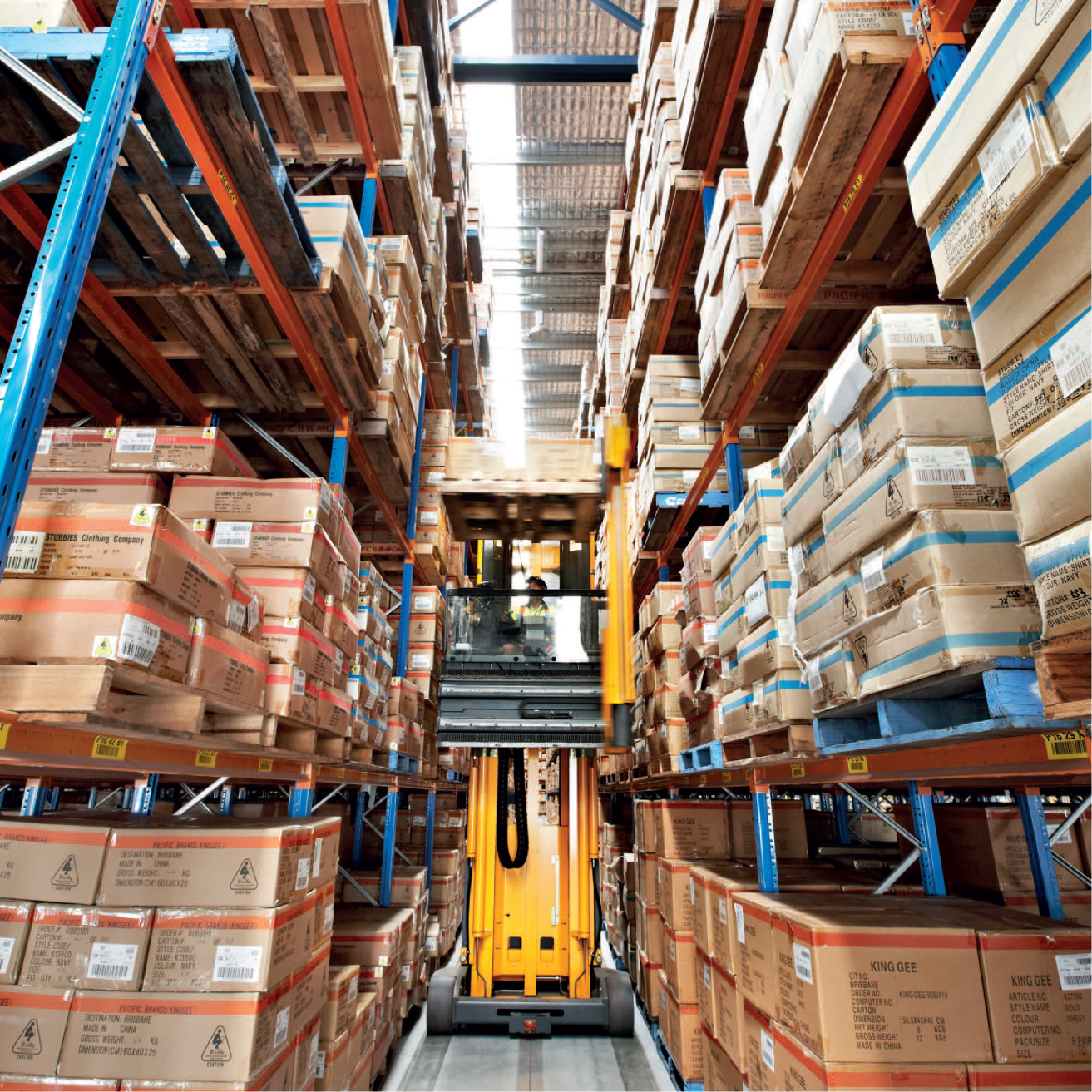

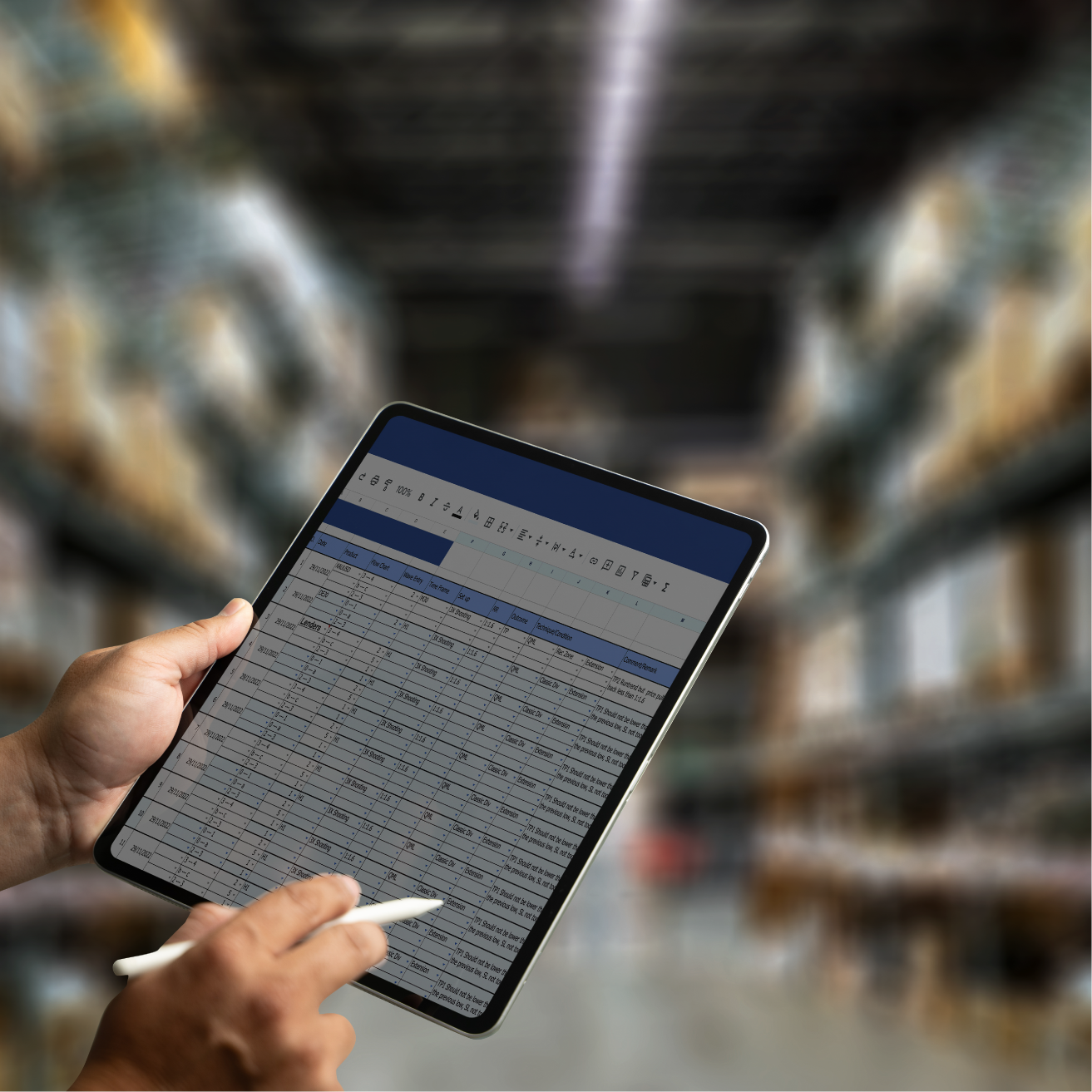
Space is limiting growth.
Order volumes or SKU counts have increased, and overflow stock is being held in temporary floor locations or off-site storage.Labour availability is affecting performance.
Vacancies, overtime and temporary staffing have become part of the normal operating model.Errors and rework are increasing.
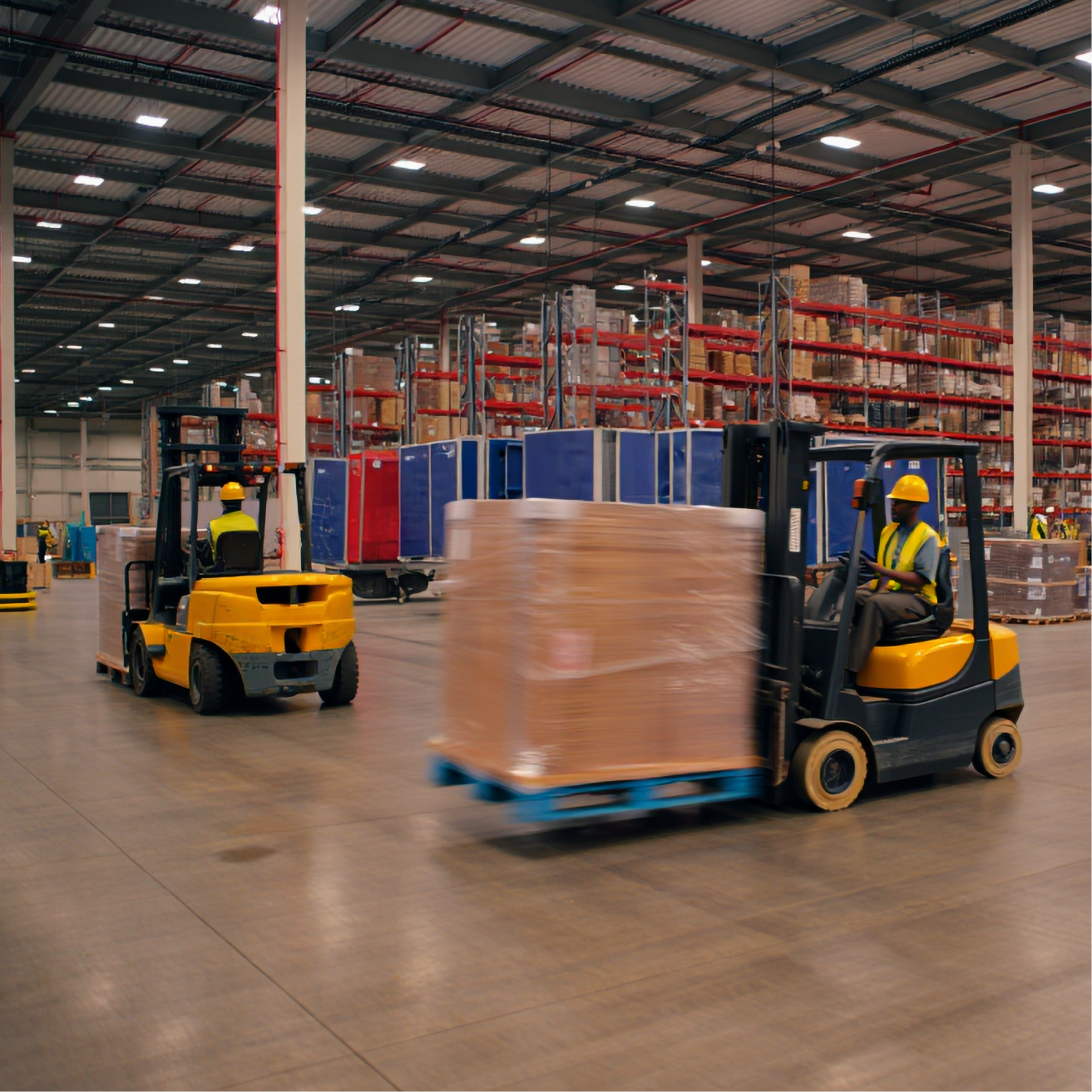
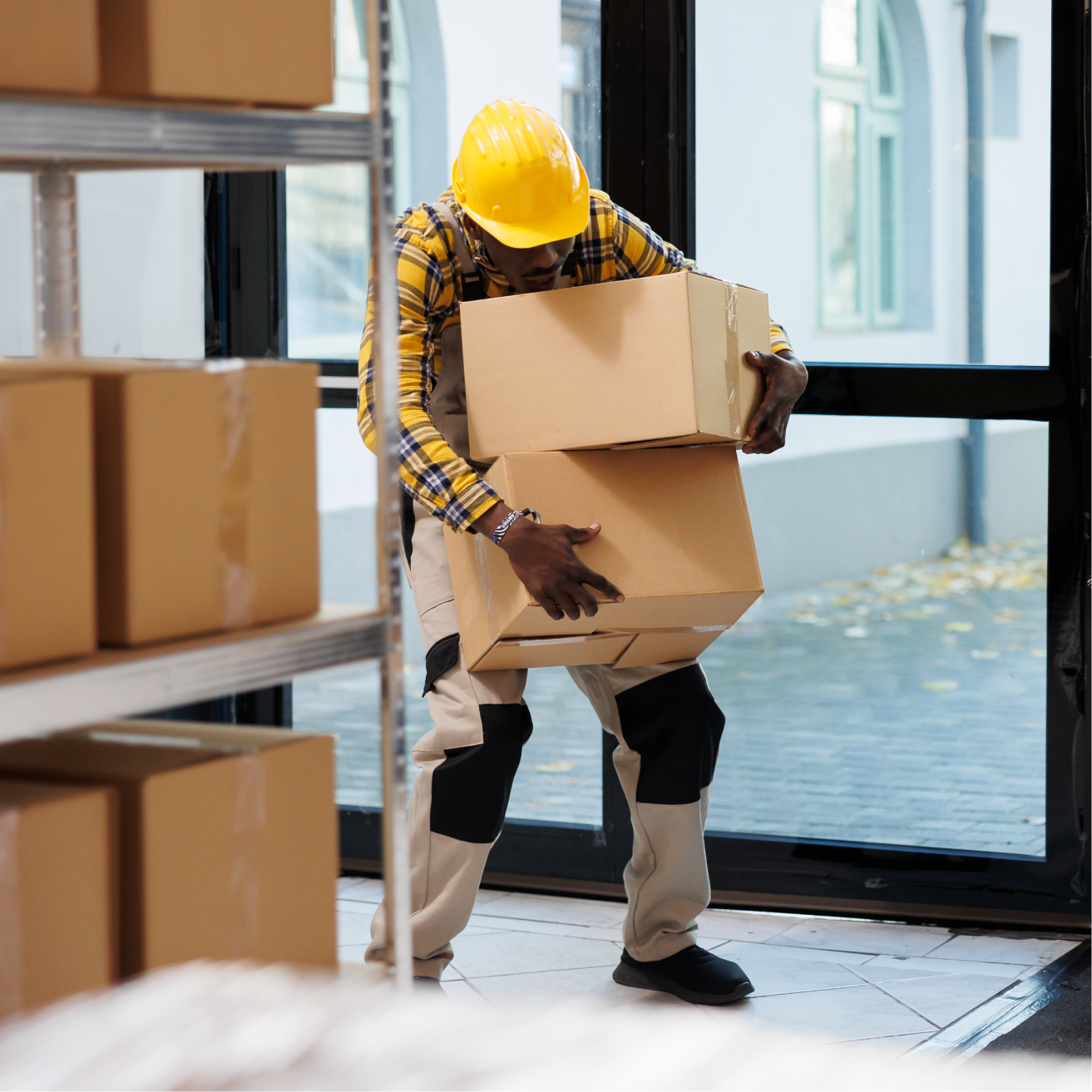
Mis-picks, damaged stock and inventory discrepancies are creating measurable costs or affecting customer service.Forklift traffic or manual handling is creating unnecessary risk.
Congested movement routes and repetitive handling can expose workers to vehicle and manual handling hazards.Peak periods regularly overwhelm the operation.
Seasonal demand, sales events or large inbound deliveries repeatedly cause delays and backlogs.The existing warehouse cannot support forecast growth.
The business has demand, but the current storage or handling capacity cannot accommodate it.
If several of these issues sound familiar, it may be worth assessing your operation to determine whether targeted improvements or a greater level of automation would provide the best result.
Start With the Problem You Need to Solve
Different warehouse problems require different solutions.
A storage-capacity problem may call for improved slotting, higher-density racking or a pallet shuttle system. A throughput problem may be better addressed with conveyors, improved picking processes or goods-to-person technology. An accuracy problem may begin with barcode scanning, clearer inventory controls or a warehouse management system.
Defining the constraint first helps avoid investing in technology that improves one part of the operation while leaving the real bottleneck untouched.
Warehouse Automation Is a Spectrum
Most businesses introduce automation in stages. The appropriate starting point depends on the warehouse, stock profile and required throughput.
Warehouse Management and Inventory Control
Automation does not always begin with physical equipment.
Warehouse management software, barcode scanning, inventory tracking and improved product slotting can reduce errors and improve the flow of goods through an existing warehouse. Accurate inventory data is also essential before introducing more advanced automation.
If stock records, pallet dimensions or operating processes are inconsistent, those issues should usually be addressed first.
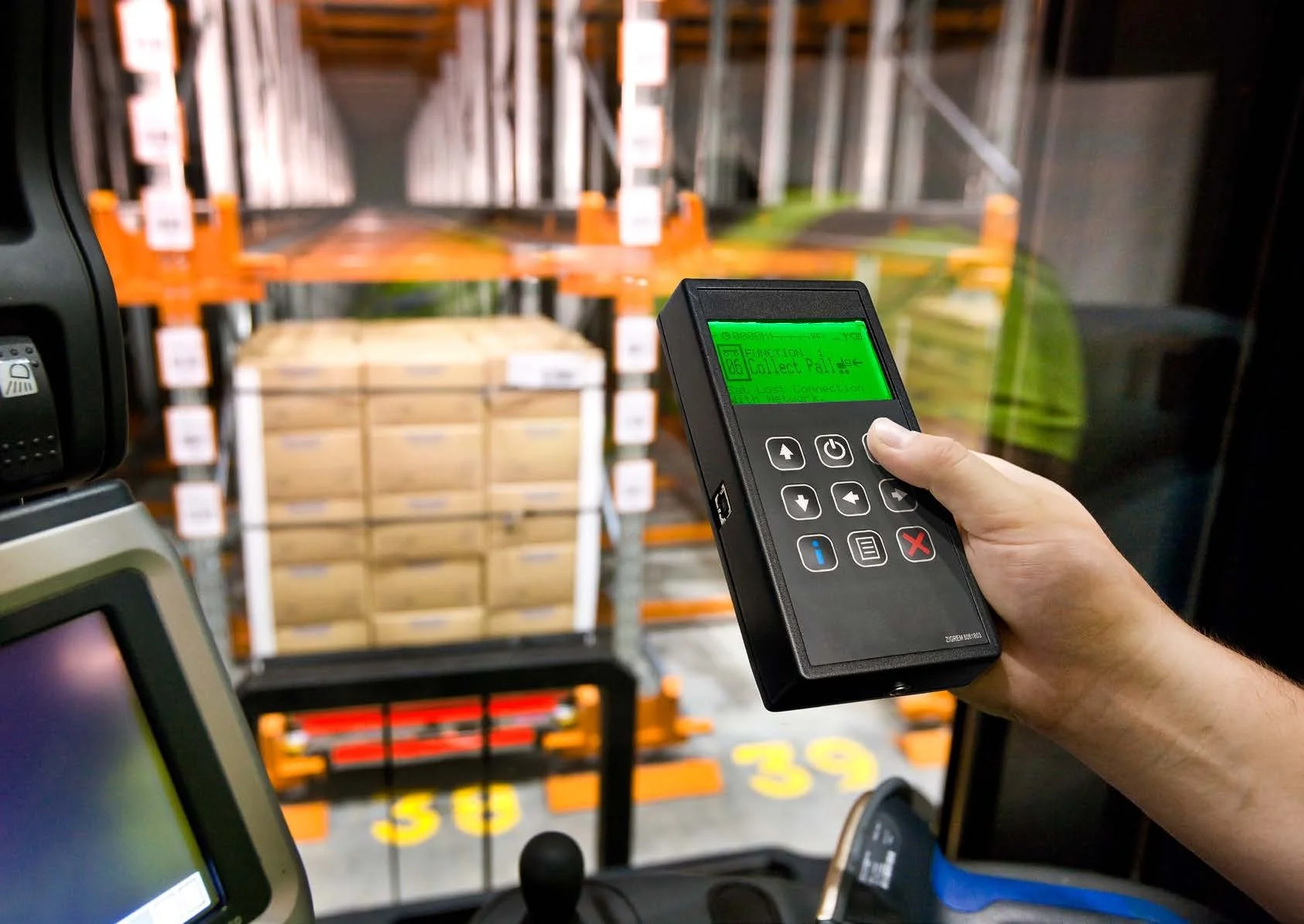
Stock records, pallet dimensions and operating processes should be consistent before automation can be implemented.
Semi-Automated Pallet Storage
A high-density shuttle system uses a remote-controlled shuttle to move pallets within deep storage lanes. The forklift remains at the rack face instead of travelling into each storage lane.
This type of system is particularly well suited to operations with lower SKU counts, larger quantities of each product and a need for high-density pallet storage. It can support FIFO or LIFO stock rotation, depending on the configuration.
Dexion’s HDS Shuttle can provide up to 25% more storage space compared with other pallet racking systems. The actual increase will depend on the building, rack layout, storage depth and stock profile.
Conveyors and Material Flow
Conveyor systems move cartons or pallets between receiving, storage, picking, packing and dispatch.
They can reduce walking, forklift travel and repeated manual handoffs. Conveyors are particularly useful where goods follow a consistent route or where buffering is needed to manage peaks in the picking and packing process.
A conveyor can improve throughput, but it will not necessarily solve a storage-density problem. The expected result needs to be clear before the system is designed.
Automated Storage and Retrieval Systems
At the more advanced end of the spectrum, an automated storage and retrieval system uses software-controlled equipment to store and retrieve goods.
Multi-directional shuttle systems can move pallets across lanes and levels within compact racking structures, reducing the need for a dedicated crane in every aisle. Modular shuttle designs can also reduce reliance on a single piece of retrieval equipment.
These systems can support high-density storage, mixed SKUs and ambient, chilled or frozen environments. They can also be integrated with warehouse management and control systems to manage stock location, retrieval and sequencing.
The benefits can be substantial, but the building, stock profile, throughput requirements and system integration all need detailed assessment.
When is Automation Not the Right Next Step?
Below are examples of situations where automation may not provide the best return. In these cases, improving the existing manual operation may deliver greater value while preparing the warehouse for future automation.

Questions to Answer Before Committing
Before making an investment decision, work through the following questions.
What Is the Current Bottleneck?
Measure the constraint using actual operational data. Useful figures may include:
Pallets, cartons or orders handled per hour
Peak-period throughput
Storage utilisation
Labour hours per order
Travel time within the warehouse
Picking accuracy
Damage and rework costs
Without a baseline, it will be difficult to demonstrate whether the investment has delivered the expected result.
What Does Growth Look Like Over the Next Three to Five Years?
A system should support realistic future volumes without being significantly oversized for current demand. Consider SKU growth, pallet numbers, order profiles and seasonal peaks.
Is Space or Throughput the Greater Constraint?
High-density shuttle storage can address capacity. Conveyors can improve material flow. Warehouse management software can improve inventory control and picking accuracy. An ASRS may address several constraints together, but only when the scale and operational profile justify it.
Is the Building Suitable?
Floor-slab capacity, ceiling height, column spacing, seismic requirements, fire protection, power, data infrastructure and equipment access can all affect what is possible. These requirements should be considered early because building modifications can materially change the total project cost.
Can the System Integrate With Existing Software?
Automated storage depends on accurate and timely data. Confirm how the proposed system will connect with the existing WMS, ERP, order-management and inventory systems. It is also important to establish who will be responsible for each integration and how exceptions will be managed.
What Happens When Something Goes Wrong?
Ask how the operation will continue during maintenance, a software interruption or equipment failure. A practical design should include recovery procedures, manual workarounds where appropriate, spare-parts planning and clear service-response arrangements.
Can the Project Be Introduced in Stages?
A staged project can allow the business to automate one storage zone or process, measure the result and expand once the operational case has been proven.
Calculate the Full Business Case
The equipment price is only one part of the investment.
A complete project cost may include:
Racking and automation equipment
Design and structural engineering
Building, slab or fire-protection modifications
Electrical and data infrastructure
Software and systems integration
Installation and commissioning
Training and operational downtime
Ongoing licensing, maintenance and spare parts
A useful starting point for assessing the return is:
Net annual benefit = avoided property or off-site storage costs + measurable productivity gains + reduced overtime, error and damage costs + additional contribution from increased throughput - annual operating and maintenance costs
Simple payback period = total installed project cost ÷ net annual benefit
This calculation will not replace a full financial assessment, but it helps ensure that different options are compared consistently.
What Warehouse Automation Can Deliver
When the system is properly matched to the operation, automation can provide:
-
High-density storage, shuttle systems and ASRS can make better use of available height and reduce the floor space required for access aisles. Depending on the building and stock profile, this can create more storage locations without extending or relocating the warehouse.
-
Automated equipment moves goods at a controlled and repeatable pace. When designed around actual order profiles and peak volumes, it can reduce delays caused by excessive travel, uneven workloads and repeated handoffs.
-
System-directed storage and retrieval records where stock is placed and when it moves. This reduces reliance on manual updates and gives the operation better visibility of inventory locations, movements and order progress.
-
Shuttle, conveyor and ASRS solutions can move goods through parts of the warehouse without a forklift entering every storage aisle. This can reduce vehicle traffic, congestion, travel time and exposure to rack impacts.
-
Conveyors and goods-to-person systems bring stock closer to the operator, reducing unnecessary walking, reaching, lifting and carrying. This can make repetitive tasks more efficient and less physically demanding.
-
When expected peak volumes are included in the system design, automation can help maintain a steadier operating pace during busy periods. This can reduce bottlenecks and reliance on overtime or temporary labour.
-
By taking over repetitive movement and retrieval tasks, automation can free employees to focus on inventory control, quality checks, exception handling and other work that benefits from experience and judgement.
Is It Right for Your Business?
Warehouse automation is worth considering when space, labour availability, throughput or errors are creating a measurable constraint on growth.
The starting point should be an assessment of the building, stock profile, operating volumes and future requirements. In some warehouses, the right answer will be an automated storage and retrieval system. In others, a semi-automated shuttle, conveyor, warehouse management system or improved racking layout will provide a better return.
Dexion’s storage and logistics history dates back to 1937. The Dexion Auckland team can assess your current operation and compare the available options against your space, stock profile and growth plans.
Contact Dexion Auckland to arrange a no-obligation warehouse assessment.