
Automating Auckland Warehouses: Conveyors, Vertical Carousels & ASRS Systems
Warehouse automation is no longer reserved for massive global distribution centres. Across Auckland, businesses of all sizes are exploring smarter ways to improve efficiency, reduce labour strain, and maximise increasingly expensive warehouse space.
Rising land costs, labour pressures, safety expectations, and customer demand for faster fulfilment are all driving the shift toward automation. But automation doesn’t mean replacing people with robots—it means designing systems that support your team, streamline workflow, and create scalable infrastructure for the future.
In this article, we explore three key automation solutions transforming Auckland warehouses:
Conveyors
Vertical Carousels
Automated Storage & Retrieval Systems (ASRS)
Why Automation Is Gaining Momentum in Auckland
Auckland warehouses face unique pressures:
High property costs limiting expansion
Increasing SKU counts and complexity
Labour shortages and safety considerations
Growing demand for faster turnaround times
For many businesses, the only way to increase capacity isn’t to expand outward—it’s to optimise upward and inward. Automation enables better use of vertical space, reduces unnecessary movement, and improves accuracy without requiring additional floor area.
Importantly, most automation projects are hybrid solutions, combining manual and automated systems rather than fully robotic operations.
1. Conveyors: Improving Flow & Reducing Manual Handling
Conveyors are often the first and most accessible step toward warehouse automation.
What They Do
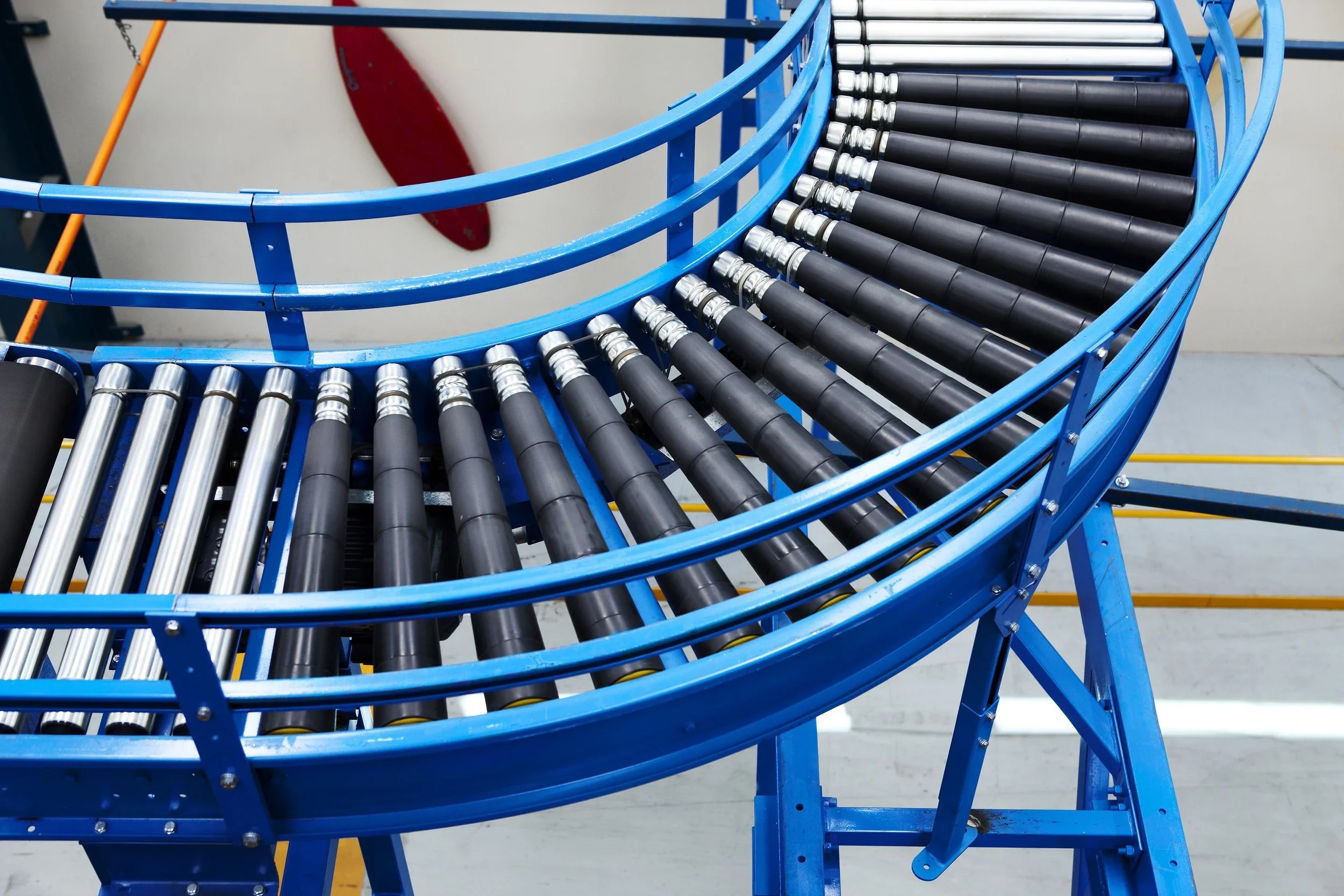
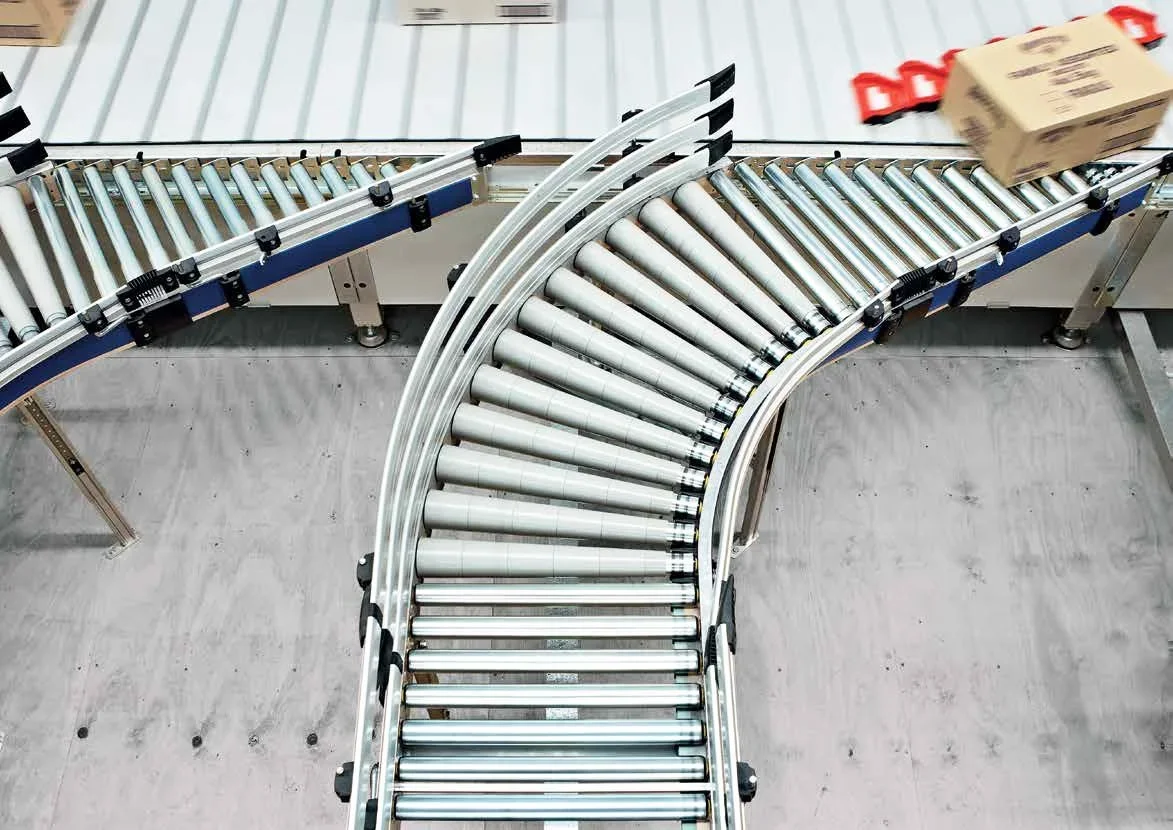
Conveyor systems move cartons, totes, or pallets between zones within a warehouse. Instead of staff manually carrying goods from picking to packing to dispatch, conveyors create a continuous, controlled flow.
Common types include:
Roller conveyors
Belt conveyors
Gravity conveyors
Pallet conveyors
Why They Work
Conveyors:
Reduce repetitive lifting and manual transport
Improve throughput consistency
Decrease walking distances
Lower fatigue and injury risk
Streamline pick-pack-dispatch workflows
They are particularly effective in warehouses with predictable processes such as distribution centres, manufacturing facilities, and high-volume retail operations.
One of the key advantages is scalability. Conveyor systems can be expanded or reconfigured as workflows evolve, making them a practical starting point for businesses exploring automation.
2. Vertical Carousels: Unlocking Vertical Space
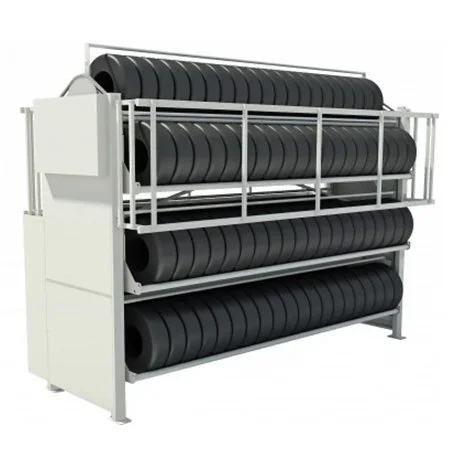
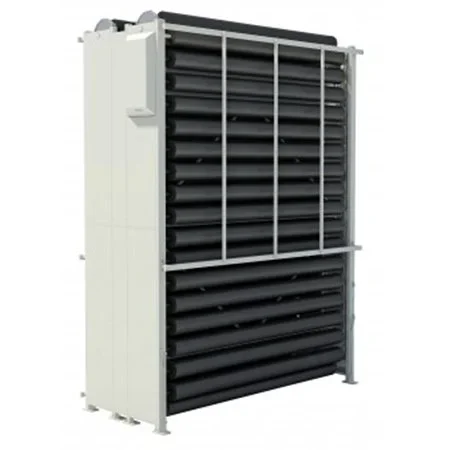
When floor space is limited but ceiling height is available, vertical carousels offer a powerful solution.
What Is a Vertical Carousel?
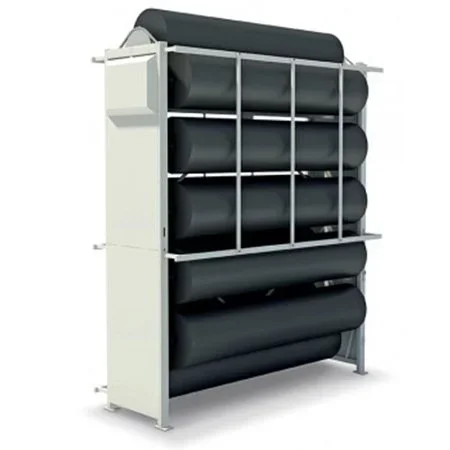
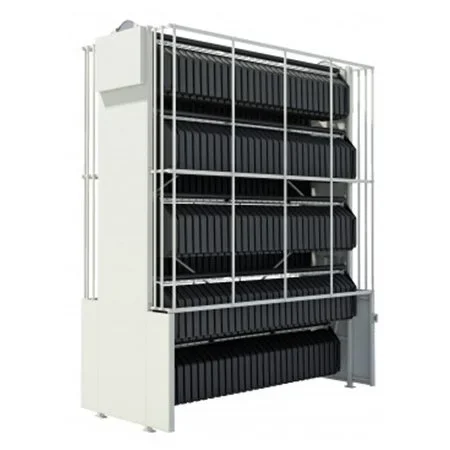
A vertical carousel is an enclosed storage system that rotates trays vertically, automatically bringing items to the operator. This “goods-to-person” principle eliminates the need for staff to walk long distances or climb ladders to retrieve stock.
Key Benefits
Maximises vertical storage capacity
Reduces floor space usage
Improves picking accuracy
Enhances ergonomics
Reduces walking time dramatically
Vertical carousels are especially effective for:
Small parts storage
Spare parts management
Tool storage
Retail back-of-house operations
Medical and technical inventory
By bringing goods directly to a central access point, they increase productivity while improving safety and organisation. Many systems can integrate with warehouse management software (WMS), enhancing inventory visibility and control.
3. ASRS: Advanced Automated Storage & Retrieval Systems
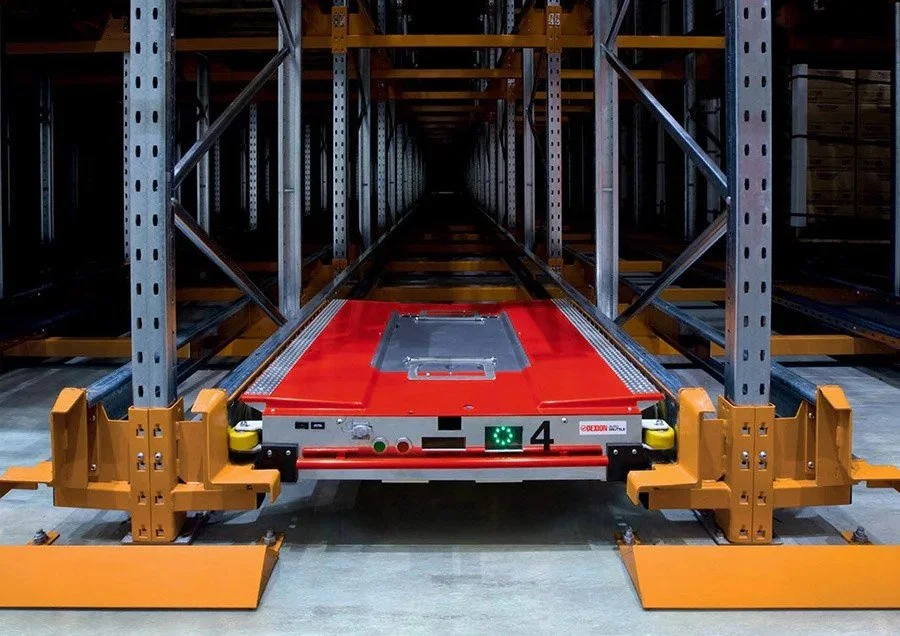
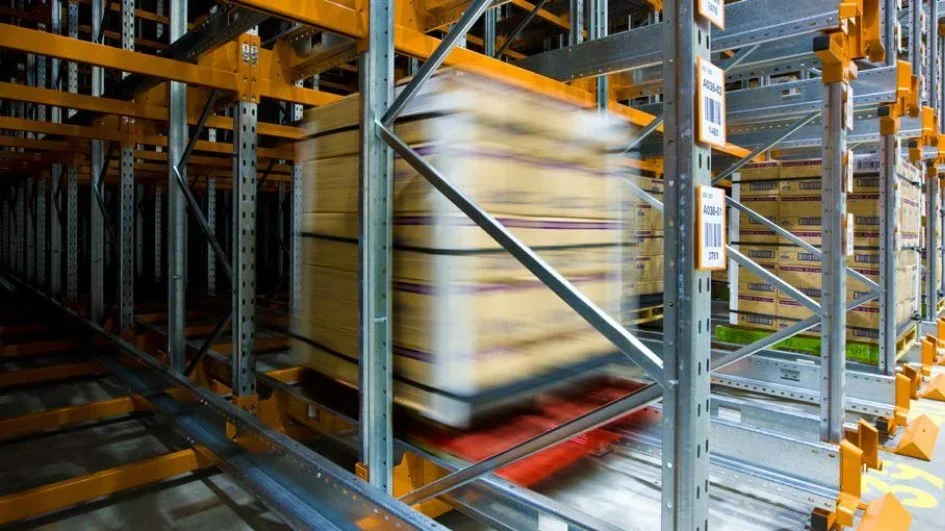
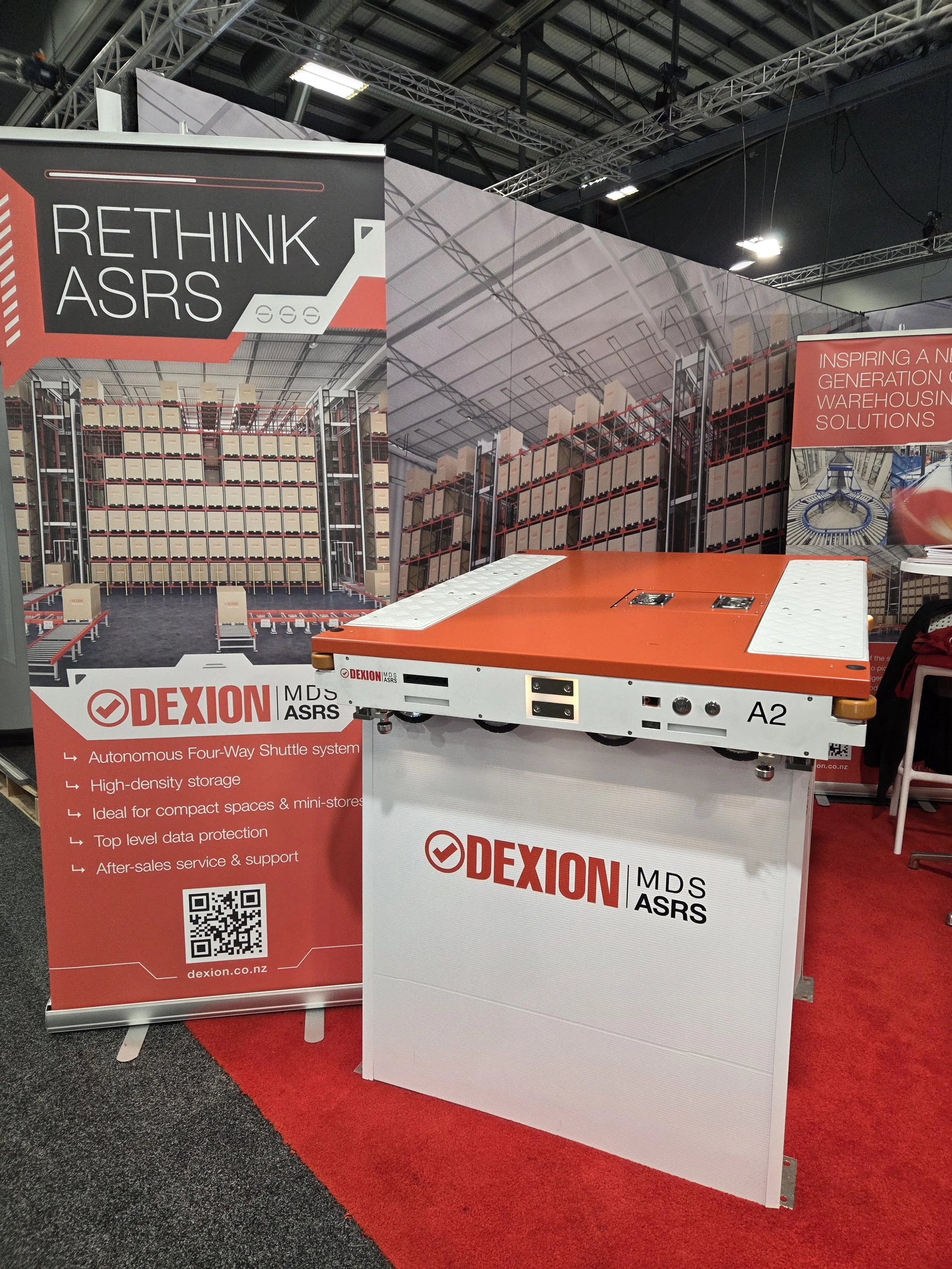
For businesses ready to take automation further, ASRS represents a more comprehensive solution.
What Is ASRS?
Automated Storage & Retrieval Systems use computer-controlled machinery—such as cranes, shuttles, or robotic mechanisms—to automatically store and retrieve pallets or totes.
These systems can be designed for:
High-density pallet storage
Tote-based picking environments
Cold storage applications
24/7 operations
Why Consider ASRS?
ASRS systems offer:
High storage density
Reduced forklift traffic
Improved inventory accuracy
Consistent picking performance
Enhanced safety through controlled movement
While the initial investment is higher than conventional racking, ASRS can deliver long-term efficiency gains, particularly in high-volume operations with predictable product profiles.
For Auckland businesses planning long-term growth within limited building footprints, ASRS can provide a scalable, future-proof solution.
Automation Doesn’t Have to Be All or Nothing
A common misconception is that warehouse automation requires a full operational overhaul. In reality, many automation strategies are phased.
A typical progression may look like:
Installing conveyors to streamline movement
Adding vertical storage to reduce floor usage
Introducing semi-automated systems
Expanding into ASRS as demand increases
Automation should enhance workflow, not complicate it. The most successful projects are those designed around the business’s specific operational needs.
Key Considerations Before Automating
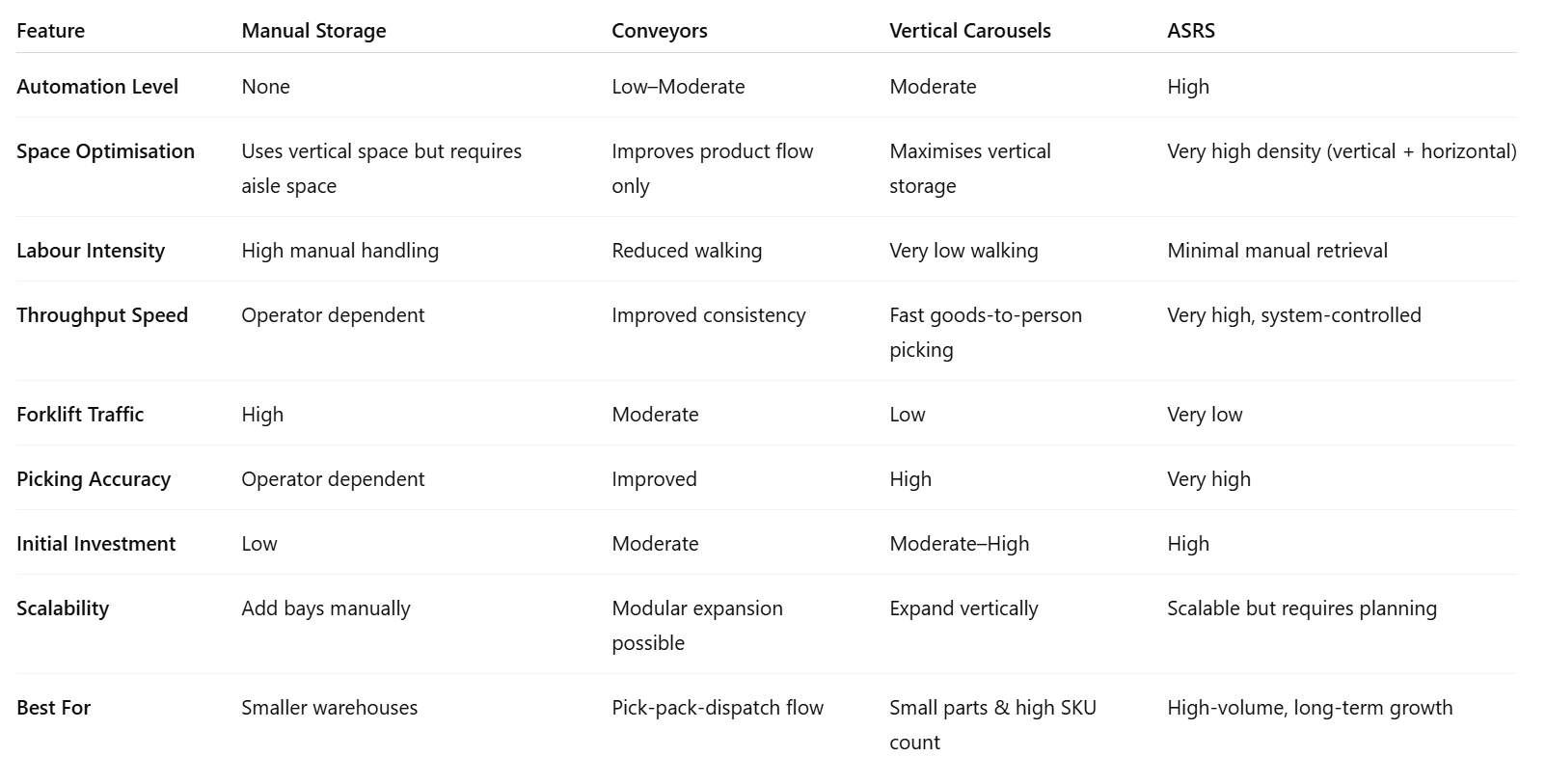
Before implementing any automation solution, businesses should assess:
Current and projected throughput
SKU size, weight, and variability
Ceiling height and building constraints
Floor slab capacity and load requirements
Integration with existing racking systems
IT system compatibility (WMS)
Budget and long-term return on investment
Careful planning and engineering analysis are critical to ensuring the system delivers value rather than disruption.
Automation & Safety
When properly designed, automation improves workplace safety by:
Reducing manual handling
Limiting forklift movement
Creating structured, predictable workflows
Improving ergonomics
Minimising human error
However, like any warehouse system, automation must be correctly engineered, installed, and maintained to perform safely.
Final Thoughts
Automation is no longer a distant concept. It is becoming an essential part of modern warehouse strategy. Whether through conveyors, vertical carousels, or full ASRS installations, Auckland warehouses have access to scalable solutions that improve efficiency, safety, and long-term capacity.
The key is not choosing the most advanced system—it is choosing the right system for your operation.
By taking a structured, design-led approach, businesses can implement automation that supports growth, maximises space, and delivers measurable operational benefits for years to come.