
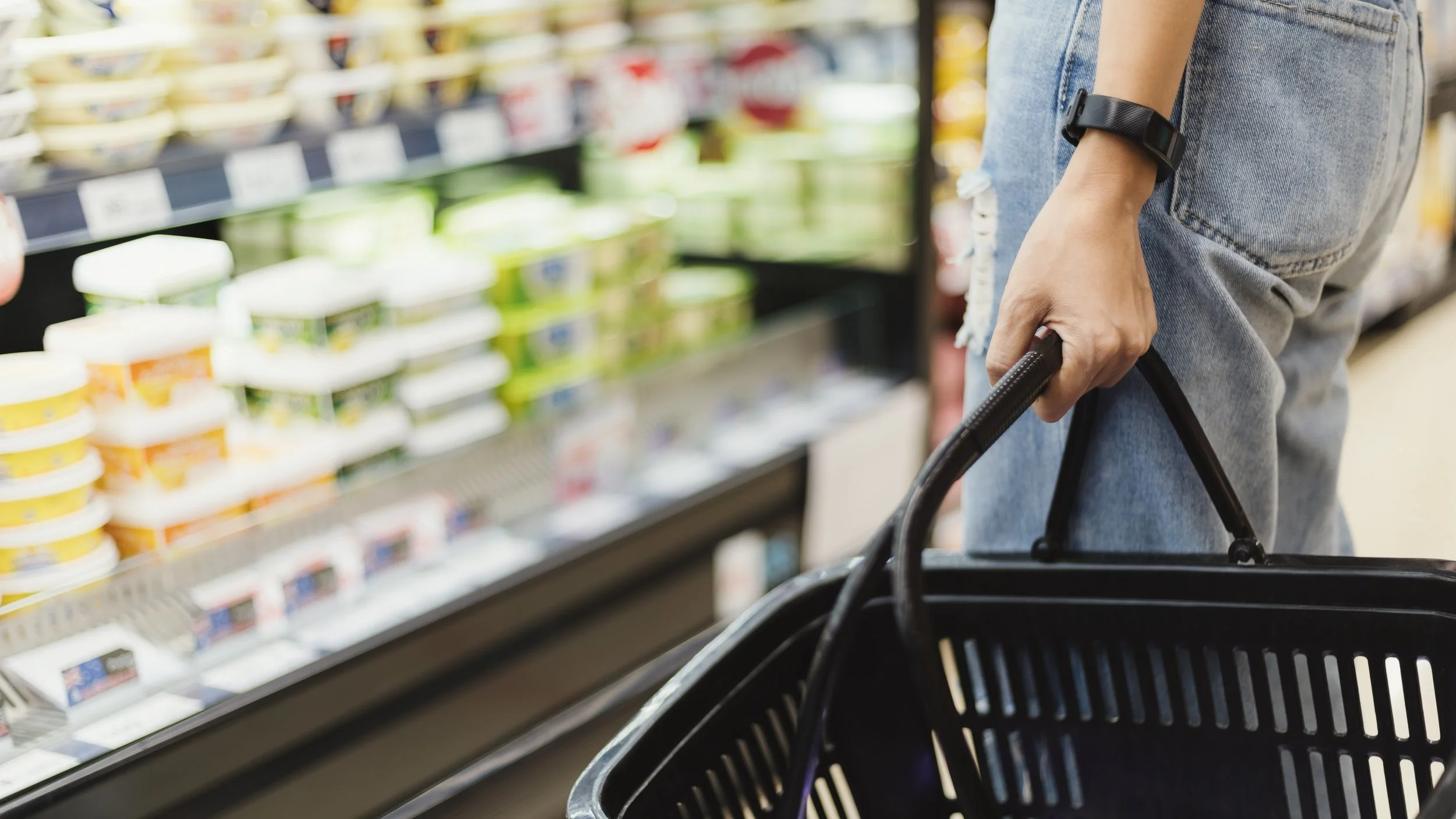
Go into a grocery store today and you will see more products than would have been on your local supermarket shelf a few years ago.
More brands. More specialist products. More products to suit different tastes, diets, shopping habits.
For consumers, that can be a welcome change.
But as warehouses & distribution centres that supply those shops with those products they now face challenge of how to receive, store, find & pick those additional items, replenish & deliver them to the retailer. And as the mix of product composition changes so must the systems used to support that journey.
The Changing Landscape of New Zealand's Grocery Industry
New Zealand's grocery sector has traditionally been dominated by a small number of major retailers. But there are signs of change.
The commence commission's June 2026 Annual Grocery Report noted that there is increased activity among smaller & independent retailers particularly in Auckland.
Specialist grocers are moving into new product categories while some businesses that would not usually be classified as grocery retailers are selling more food & household essentials. This creates more options for customers to buy their everyday products. For suppliers & distributors it may mean servicing a broader network of retailers each with their own ordering patterns, product selections & delivery requirements.
A recent infrastructure news article also explored how broadened grocery ranges are impacting demand for storage infrastructure both in storerooms & further up the supply chain. But the implications go well beyond just finding room for stock.
Many More Products Doesn't Necessarily Mean Many More Pallet Spaces
Let’s consider for a moment we have two warehouses holding the same total quantity of inventory.
One holds 100 product lines with large quantities of each line item. The other holds 500 product lines with smaller quantities across the much wider assortment.
While both might occupy similar amounts of storage space, their operational needs could be very different.
The second warehouse may need to have many more stock locations available for accessibility, frequency of replenishment, etc. when workers are picking from all these smaller quantities of various products. Warehouse performance is based on more than just the total volume of storage availability. It is also based on the number of SKUs, how frequently they're ordered, the quantities picked, etc. As such, what was proper for a warehouse 5 years ago may no longer be ideal today.
Furthermore, if a warehouse was designed to handle stock in large qty's of less product, it may no longer be optimal when orders are made in smaller qty's, more variety or more frequently.
The Real Challenge Is Between Receiving And Dispatch
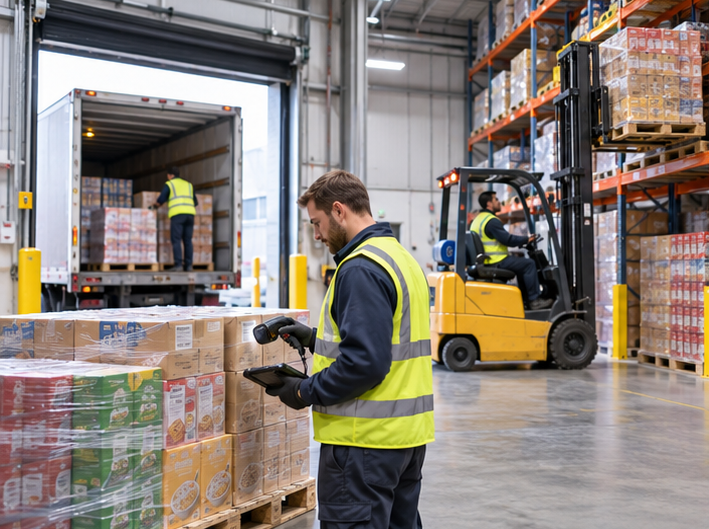
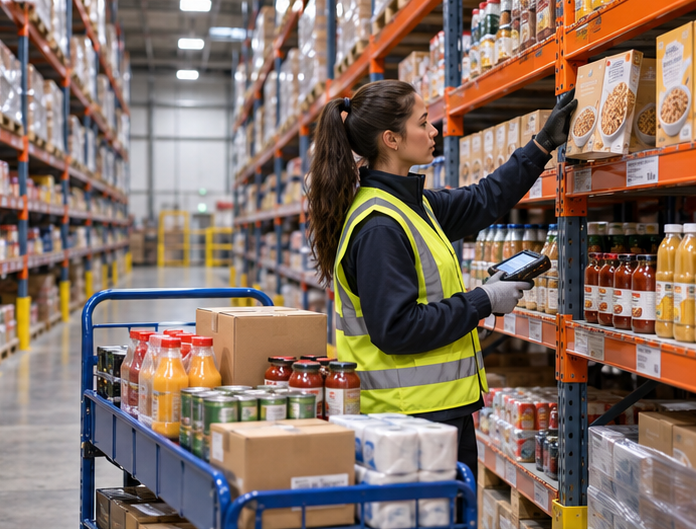
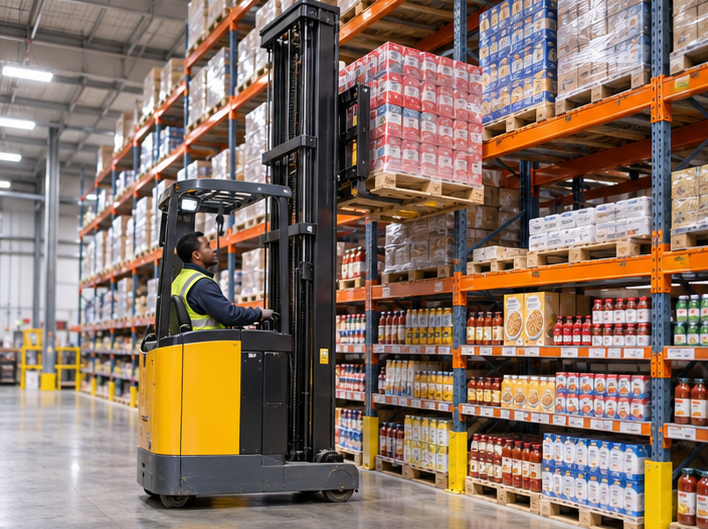
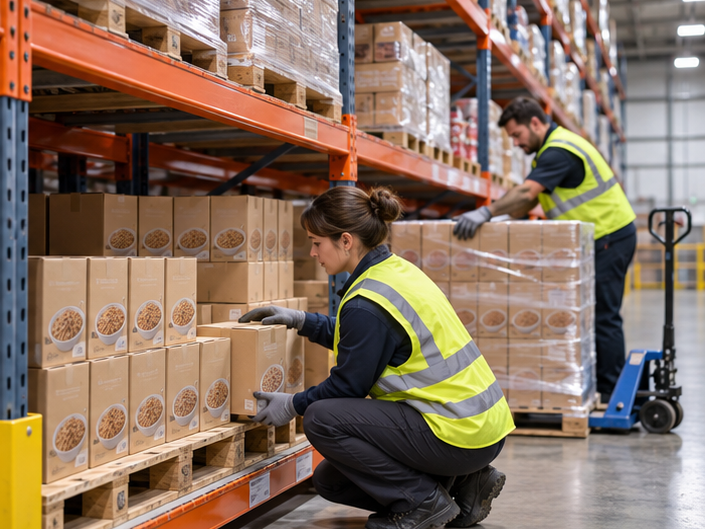
A broader range of products can effect almost any part of warehouse operations.
Receiving and put-away
With more product varieties, there will be more individual lines to identify, check & allocate to the correct storage location(s). Even if the overall volumes remain the same, the type and complexity of goods arriving at the warehouse will become more varied.
Picking and order fulfillment
Selecting 20 cartons of the same product is very different from selecting one carton of each of 20 different products. The latter process will involve visiting more location(s), making more individual selections and spending more time moving between storage areas.
Replenishment
Maintaining suitable levels of stock at picking location(s) will become more important as the number of products increase. Fast-moving products need to remain readily accessible; however, slower-moving products still require appropriate storage without occupying prime picking location(s).
Inventory rotation
Grocery and FMCG operations may also need to manage expiry dates, batch traceability and temperature requirements. Adding product variety will introduce additional concern(s) about how stock is organised and retrieved. None of these challenges will require a larger warehouse. But they will require careful consideration of how the warehouse is organized and how products move through it.
Organize Storage According to Your Product Mix
Storage for each Warehouse Does Not Follow One Approach
When operating at full pallet quantities of few product lines then there is a need for different priorities compared to a distribution center shipping a variety of products in mixed order quantities over thousands of individual items. What you want to do depends on what you are storing and how you plan to get that product out of the warehouse.
Begin by looking at carton pick systems as they apply to products sold to consumers in unit-of-sale quantities, i.e., the purchase of many smaller units vs. fewer larger units.
In other operations, the separation of the bulk reserve areas from the areas used for assembling customer specific orders will also be advantageous. A typical warehouse will utilize a combination of storage and picking; in fact, it will likely employ a combination of multiple methods throughout its various area(s).
Ultimately, the success of this process will depend upon how well these storage/picking processes work together.
Increasing storage density does not necessarily equate to better performance if additional labor steps, bottlenecks are created, or if the most commonly purchased products by your customers are difficult to find and retrieve. Moreover, warehouses need to continue to develop functional relationships between equipment, load types and safe movement of people and vehicles throughout the warehouse.
Warehouse product offerings change continuously and the frequency of assessing how/where you store your inventory (i.e. accessibility of product) versus assessing how much total inventory you can store is equally important.
The Larger Picture: Investment Behind Grocery Products in New Zealand
The importance of distribution infrastructure is already evident in some of New Zealand's major grocery investments. NZ’s largest grocery distributors have demonstrated the criticality of distribution infrastructure within their major grocery distribution investments.
Foodstuffs North Island updated stakeholders on its new cold storage and frozen food distribution center being constructed at Auckland Airport in mid-July 2026. The proposed facility is anticipated to offer over 24,821 square meters of warehouse space, hold approximately 27,656 pallets, and reach racking heights of up to 12 meters.
Upon completion of this project, Foodstuffs North Island expects to achieve more than double its current capacity for distributing cold and frozen products. This project represents a larger requirement to meet the growth of communities, increasing demand for cold and frozen products, and ensuring a consistent delivery of products to stores in the upper north island.
Moreover, the project exemplifies the large amount of infrastructure that exists behind the normal consumer shopping experience. While the investment is primarily related to having enough product available, Foodstuffs has identified several other benefits including: product availability, reducing handling of product prior to sale, improving logistics efficiencies, and increasing overall resiliency within their supply chains. [Source: Foodstuffs North Island; July 2026]
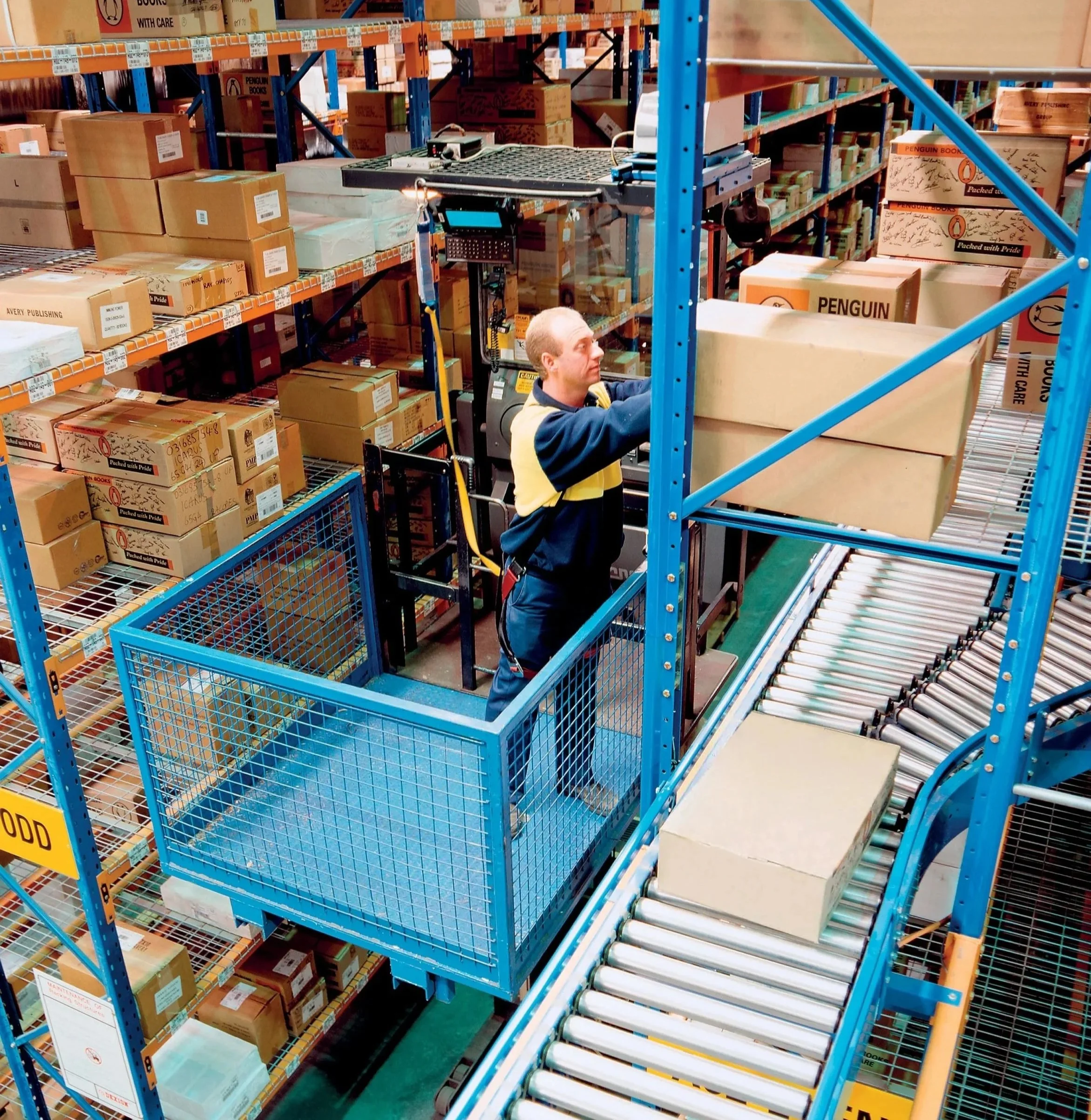
How Does This Relate to Current Warehouse Operations?
Many businesses operating in Auckland do not have the same size of operation or requirements to build out a dedicated distribution center. Therefore, many business owners face challenges to modify or adjust an existing warehouse configuration as customer preferences change.
This process brings forth a number of useful questions regarding whether the existing warehouse layout is aligned with the types of products being moved within it. Is there sufficient access to the most frequently ordered products? Has an increase in product variety resulted in longer picking routes or higher rates of replenishment? Will new product lines fit into existing processes without disrupting established workflow patterns?
Another important aspect to consider is how modifications made now could potentially impact future adjustments to an operation. For example, a storage arrangement configured to handle the inventory mix of today may need to accommodate a completely different product line, packaging configurations, order quantities or material handling procedures in years to come.
Consequently, flexibility should be included within any warehouse planning. Storage and racking configurations should be viewed as complementary elements of inventory management processes and operational workflows along with the logistical requirements associated with each business. Physical changes to existing racking must be evaluated against relevant structural, load-bearing and safety standards.
The Consumer Sees Choice...But Not All That Goes Into It
When the retailer expands it’s offerings, the consumer only sees a wider range with more choice.
They don’t see all the work involved in putting those new products into the correct location with sufficient quantity at the right time. Behind the front counter are warehouse staff; distributors; suppliers; and transportation companies working together to manage the increasing variety of movements for these products.
For warehouse operators, the lesson isn't necessarily that more racking is required.
It's that the way inventory is stored and handled needs to reflect the way the business actually operates.
Because when the products on the shelf change, the warehouse behind them may need to change too.